01
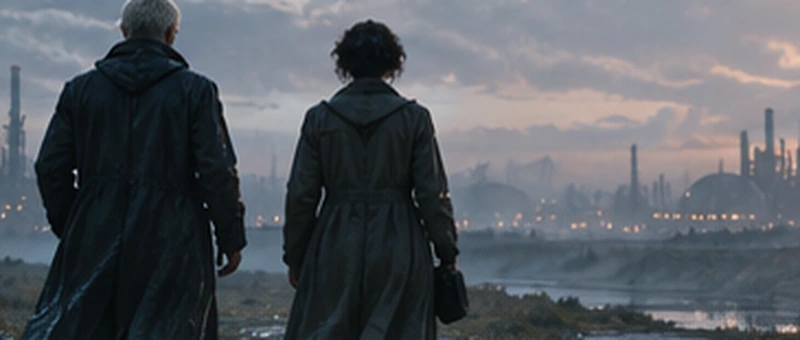
Rain returns to a man who remembers his death. Roy awakens in Shenzhen Central with a body he cannot explain.
A SCIENCE FICTION NOVEL
THE ELEVENTH BODY
He remembered dying. Nothing after.
Roy wakes to rain in a body he does not recognize. Lost time. A state that measures synthetic lives. A technology history tried to erase.
BOOKS I–X SUMMARY
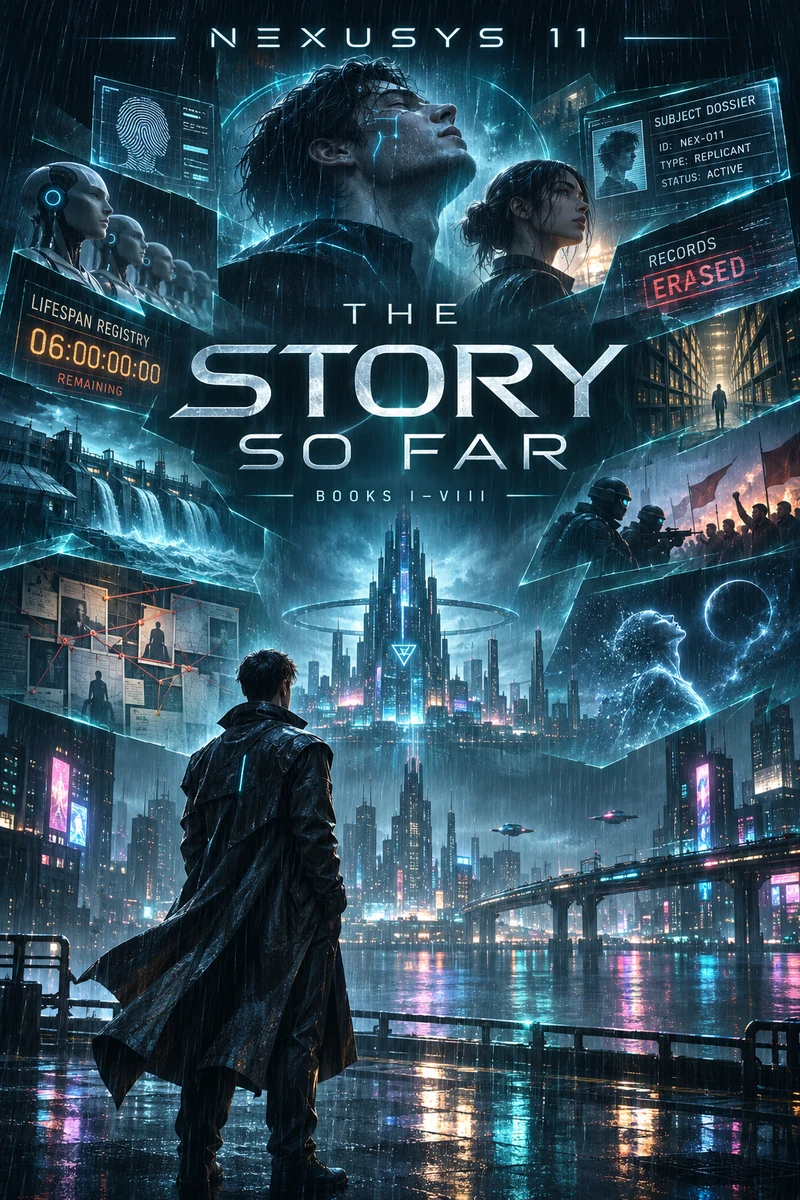
A connected, chronological overview of all 98 chapters. Includes major spoilers through the ending of Book X.
NEXUSYS 11 is a cyberpunk science-fiction saga that begins when Roy Batty, who remembers dying in Los Angeles, awakens in Shenzhen Central. In Okakyou (岡京), a state policy seeks to limit synthetic lives to six years, raising questions about identity and the right to exist.
The trail reaches PUDU-α (PUDU Alpha), located in Cyberjaya, Malaysia, where obsolete authentication systems preserve traces of forgotten identities. Its mysteries of memory, history and time evoke themes associated with the John Titor legend; John Titor is a thematic comparison here, not a claim that the figure appears as a character.
BOOK 01 / 8 CHAPTERS
Shenzhen Central · Awakening. A volume in the NEXUSYS 11 chronicle.
8 chapters · draft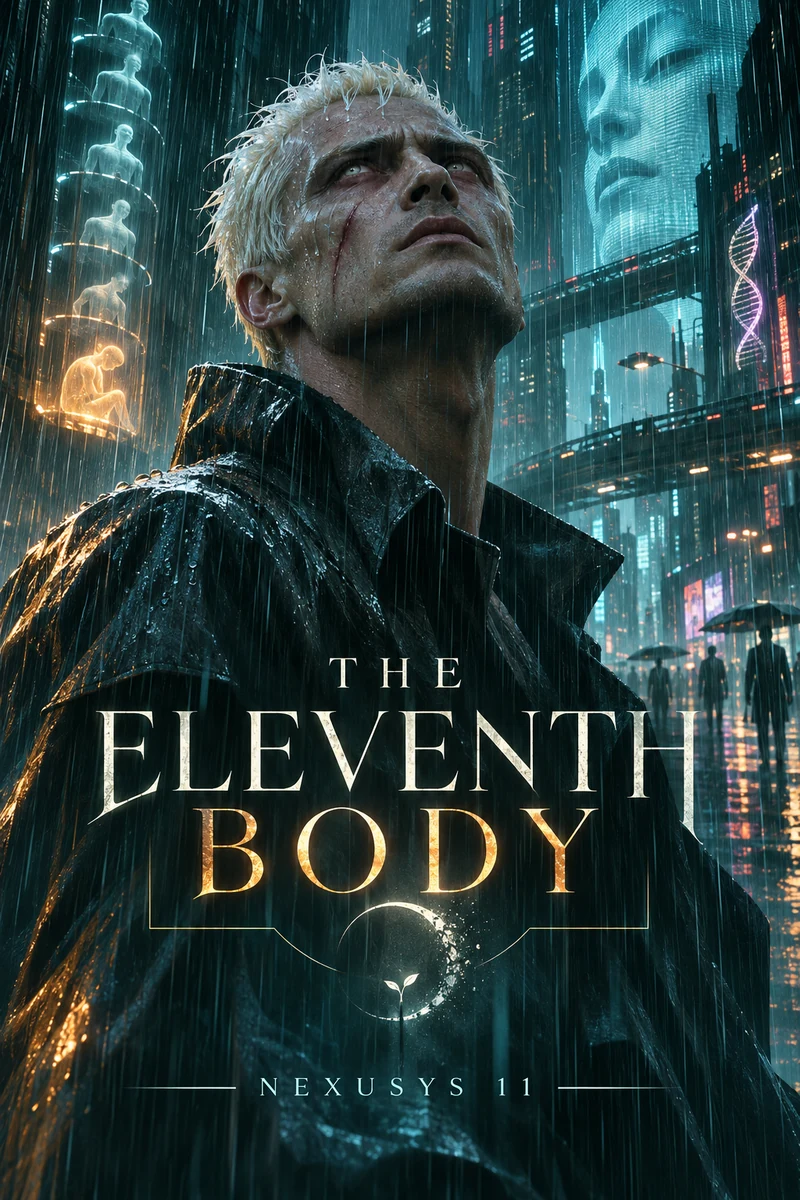
BOOK OVERVIEW
Roy remembers dying in the rain in Los Angeles. Yet he wakes in Shenzhen Central inside a body he cannot recognize, with no account of the missing years and no registry entry able to explain what he has become. In a society where synthetic life depends on official authentication, being alive is not enough to establish the right to exist.
A civilian examination uncovers an unknown circulation medium and an architecture that does not fit known generations. The discovery attracts government attention as Okakyou advances a policy limiting synthetic lives to six years. Moving through repair shops, unregistered freight networks, and overlapping water jurisdictions, Roy follows traces of technology that outlived the institutions that created it. His search leads toward PUDU-α, where obsolete authentication systems may hold the next clue to his unexplained return.
Rain returns to a man who remembers his death. Roy awakens in Shenzhen Central with a body he cannot explain.
存在することへの許可
Registration systems, a repair shop, and an encounter with inspection humanoids reveal the price of existing without an identity.

A civilian laboratory discovers an unclassifiable circulation medium and architecture. Kawamura learns of the anomaly.
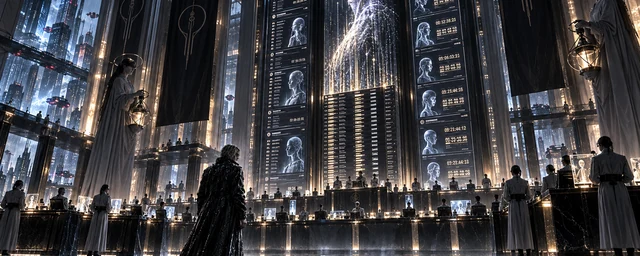
有限なるものを管理する省
In Okakyou, the government moves toward a six-year lifespan policy while Roy approaches an engineer who remembers him.
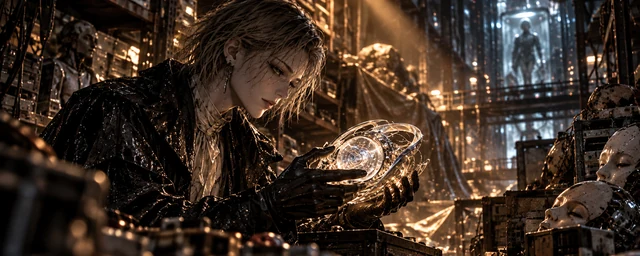
老いることのない部品
A legacy component and records of Nexusys-07 lead Roy toward PUDU-α and the limits of his mysterious fluid.
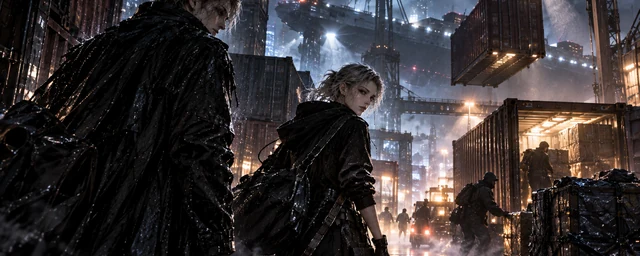
Roy navigates clandestine freight corridors and encounters Nadira, seeking passage beyond the surveillance grid.
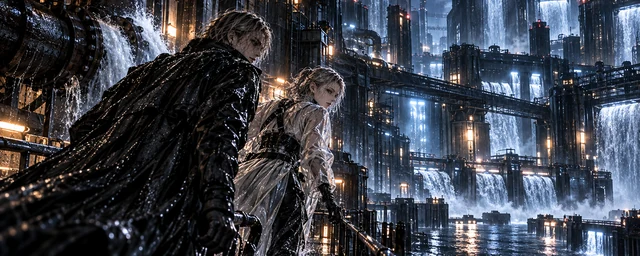
Water rights and overlapping jurisdictions offer a crossing that the state’s identity grid cannot easily follow.
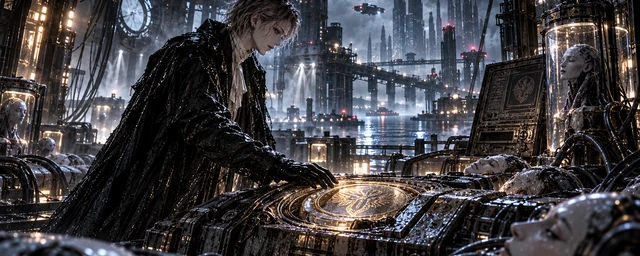
PUDU-α reveals old authentication systems, Tyrell’s lost apparatus, and the next path of Roy’s investigation.
BOOK 02 / 10 CHAPTERS
PUDU-α · Legacy systems. A volume in the NEXUSYS 11 chronicle.
10 chapters · draft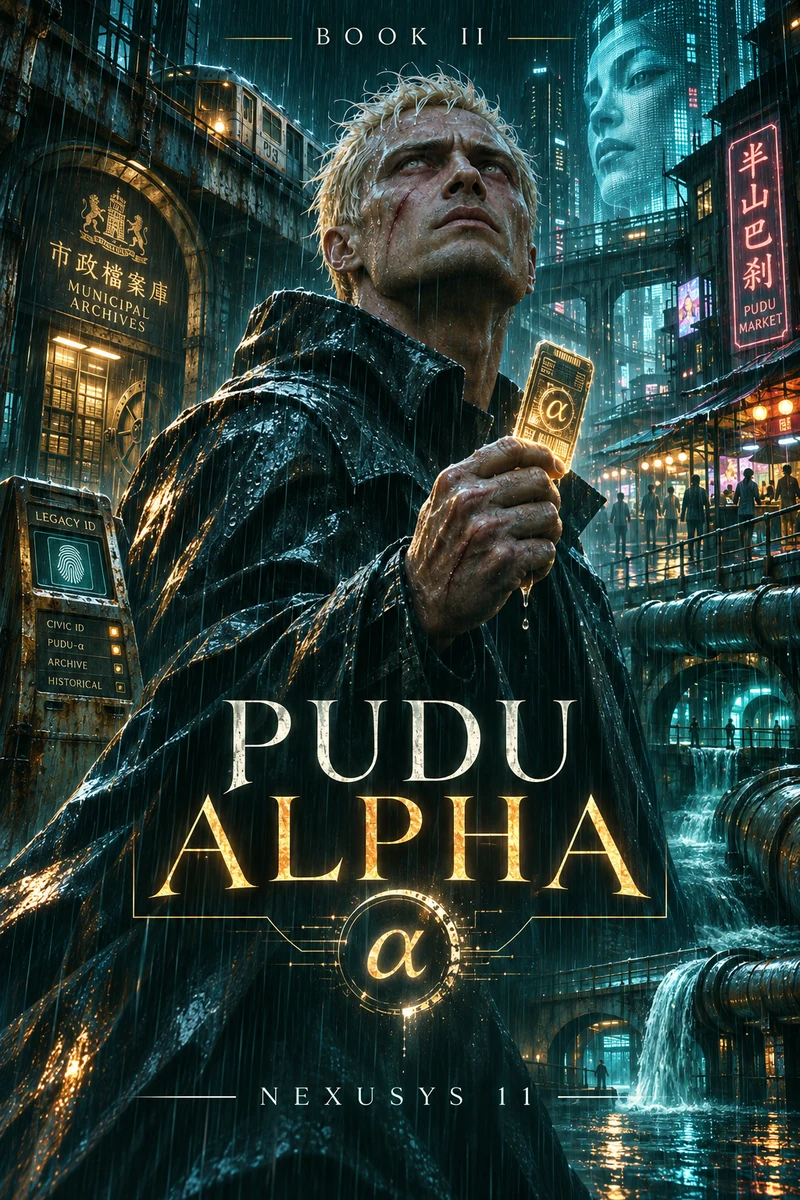
BOOK OVERVIEW
In Malaysia’s PUDU-α, obsolete keys and MagicGate media circulate through informal markets, while a buried water tribunal preserves testimony erased from modern electronic records. Roy is not merely looking for a device that can restore missing memories. He is trying to discover who controls old records of identity, what they can prove, and whose permission is required to use them.
A missing third signature, mechanical witness ledgers, and two specialized Tyrell readers lead the search toward their custodian, Adrian Tyrell. As the government closes in, Roy rejects remote control, forced initialization, and authorization given on his behalf. Verifying a record is not the same as owning the person it describes. Amid conflicting jurisdictions, he must leave a city that has the means to inspect him but no framework through which to recognize him.

旧式認証キーの市場
In PUDU-α, obsolete MagicGate media and NAR-41 open a trail through buried property records.
法廷の下に眠る法廷
A subterranean water court preserves testimony that modern administrative systems cannot interpret.

第三の署名
An escrow intermediary identifies a signature removed from the electronic record, leading to STEPWELL.
証人たちを記憶する井戸
Mechanical ledgers record consent and refusal beyond central AI jurisdiction.
二つの機械を守る男
A petition reaches the keeper of two Tyrell apparatuses, and a secretive pursuit closes in.
保管者の沈黙
Adrian Tyrell weighs the legacy of two machines, a government demand, and the meaning of consent.
所有されない男の条件
Roy refuses remote control, forced initialization, and authorization delegated to the state.

役割を超えて生き残った接続ポート
A seventh-generation port becomes the key to a meeting between Roy and Adrian.
扉口に立つ証人
A government inspector interrupts the meeting; a dispute over jurisdiction becomes a route of escape.

彼を認証できない都市
Roy leaves PUDU-α for Kuching, carrying unanswered questions of reboot, lifespan, and identity.
BOOK 03 / 10 CHAPTERS
Kuching · Okakyou · Tibet New World. A volume in the NEXUSYS 11 chronicle.
10 chapters · draft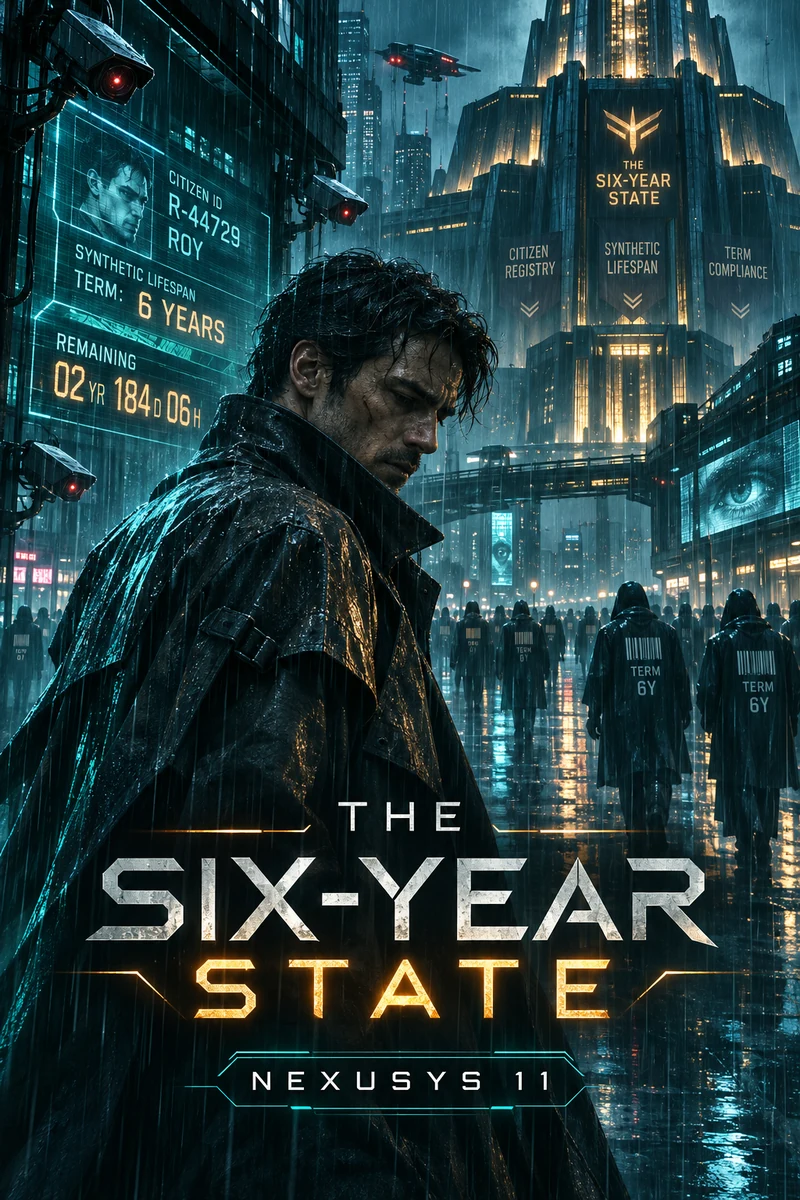
BOOK OVERVIEW
In Okakyou, the six-year policy governing synthetic life begins to change actual lives. Roy follows a trace marked ORIGINAL NOT PRESENT to a vanished berth near Kuching. An old pump counts missing witnesses; an off-grid flotilla protects records of refusals that official databases would rather forget. The absence of a record does not prove that a person never existed.
As mobile archives reveal the consequences of administrative decisions, Elias contests a drastically shortened operating permit. Roy undergoes seventh-generation calibration and presses for a measurement of his remaining lifespan. The search reaches high-altitude computing facilities in Tibet, but the available tests can estimate the level of his exceptional circulation medium without predicting how long he will live. The state may possess the machinery to authenticate a body; whether that entitles it to set the end of a life is another question.
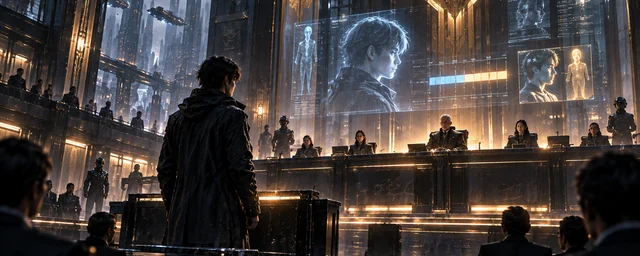
The six-year policy moves forward in Okakyou as Roy follows the first trace of REPLACEMENT in Kuching.
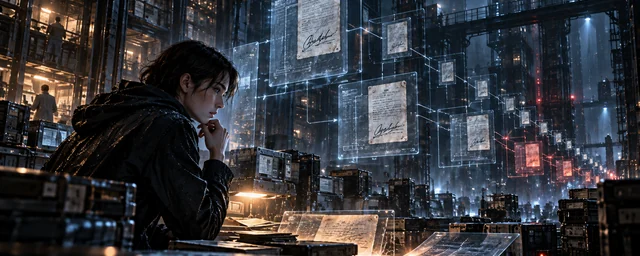
A vanished berth preserves a record marked ORIGINAL NOT PRESENT.
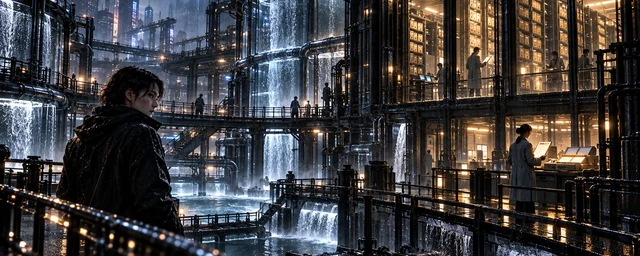
不在者を数えるポンプ
A mechanical archive records absent witnesses, while covert pursuers close in.
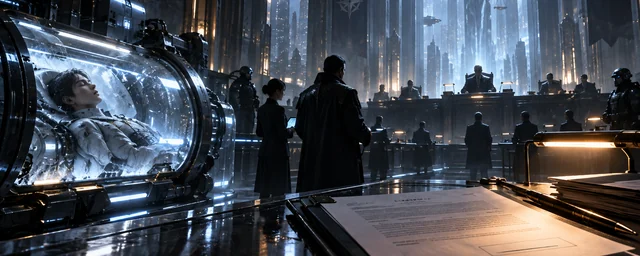
拒絶した者たちの登録簿
An off-grid flotilla maintains records of actions that synthetic people never consented to.
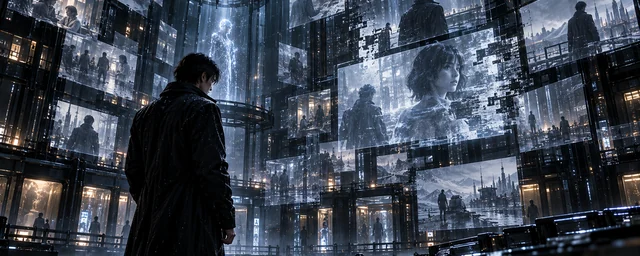
持ち主を変える台帳
A mobile archive and the first lived consequences of the six-year law converge.
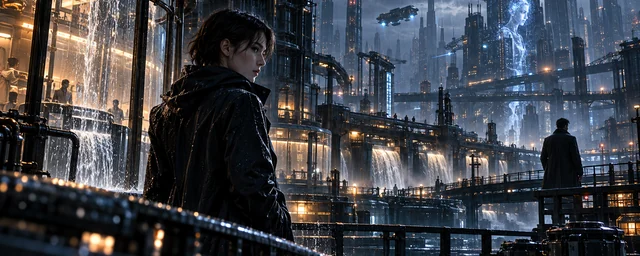
Seventh-generation calibration reveals a limit of material measurement, while Elias challenges his truncated license.
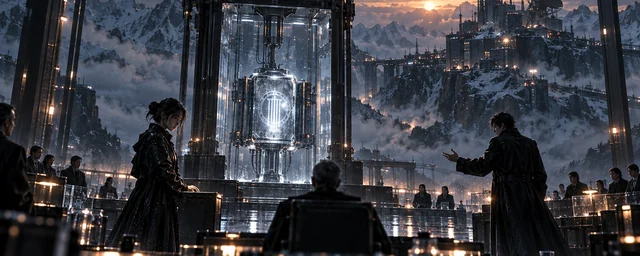
寒冷地の権限
The cold computing trusts of Tibet New World enter the story as the central AI begins its own inquiry.
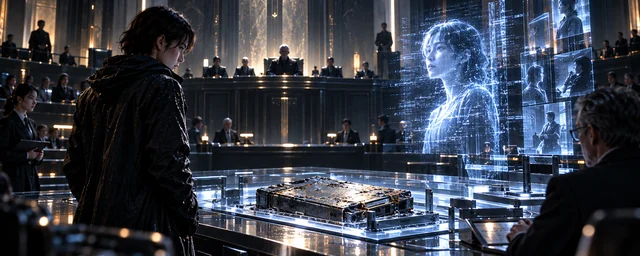
問われなかった問いの権限
Roy reaches the high plateau, where the state’s questions and his own begin to diverge.
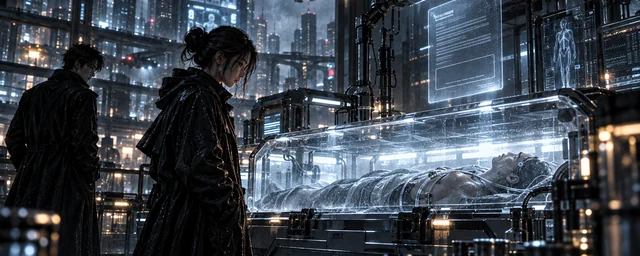
機能限界の境界
A material examination estimates the remaining carrier medium but cannot calculate Roy’s lifespan.
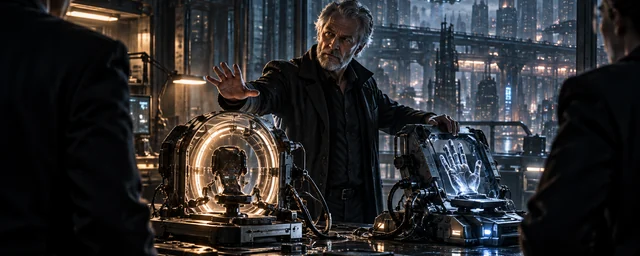
未完の存在を裁く権限
CRYOSTACK exposes a gap between the power to authenticate and the authority to determine life.
BOOK 04 / 10 CHAPTERS
Eleven missing years. Preserved witnesses. The authority to decide a life. Roy and Rachael draw closer.
10 chapters · draft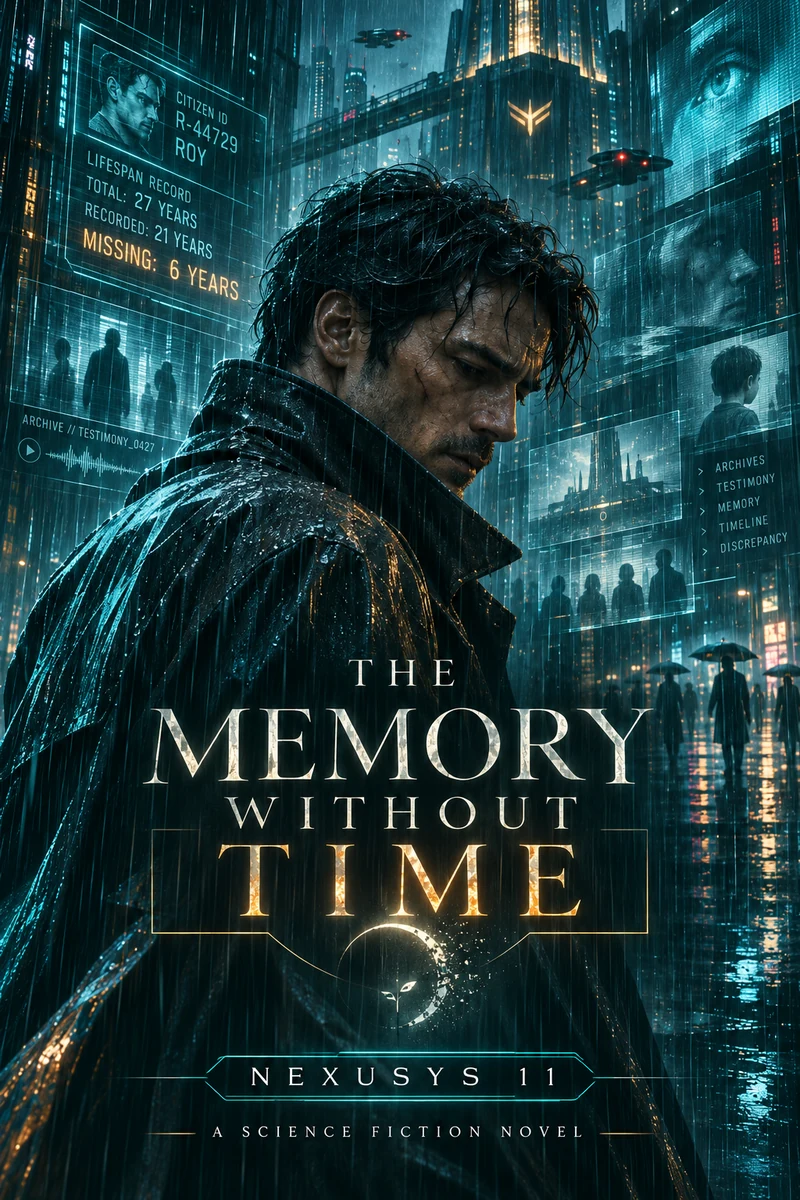
BOOK OVERVIEW
Rachael’s rainwater enterprise, long-hidden archives, and the state’s lifespan system begin to converge. Records of Roy observed after his death raise a difficult question: does evidence of a continued signal establish continuity of the person? As investigators follow delegated signatures that never reach a named human decision-maker, even the central AI starts asking questions outside its assigned role.
Elias challenges the decision that reduced his permitted life to six years, forcing a court to scrutinize the authority behind a termination order. Renewed records, custody of originals, and Adrian Tyrell’s two proprietary readers become crucial. Yet authentication, preserved testimony, and a living person’s right to make choices are not interchangeable. The final confrontation turns on two separate questions: what can a system prove about a person, and who—if anyone—has the authority to decide whether that person may go on living?
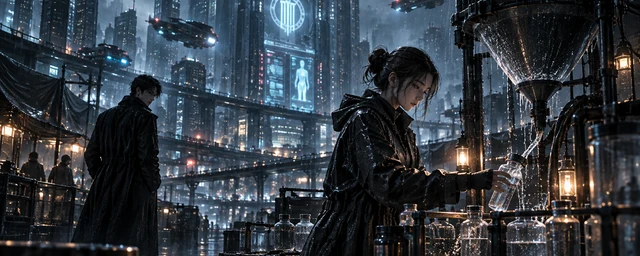
Rachael’s water company hides an unfinished study of life, while Roy searches for the authority over his body.
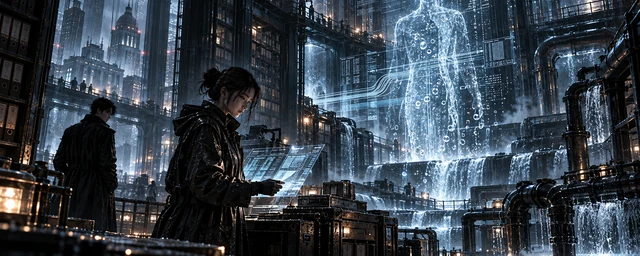
身体を持たない証人
An abandoned highland station reveals that legal continuity once belonged to waterworks machinery.
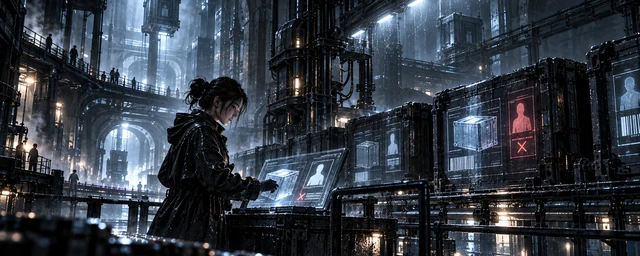
Irena follows signatures through an endless chain of delegated authority, without finding its human origin.
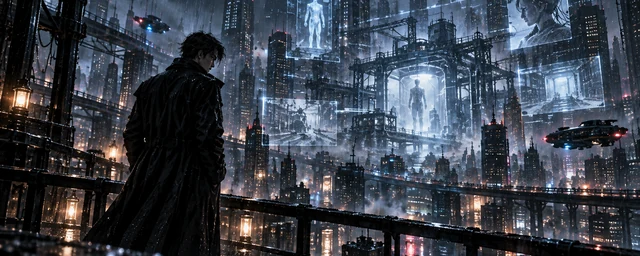
システムが記憶できなかったもの
Unverified traces after Roy’s death challenge the difference between a surviving record and a surviving self.
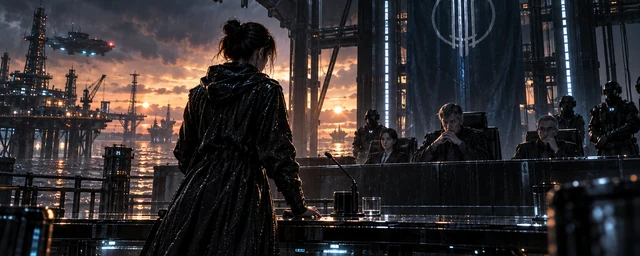
異議を唱える権利
Elias, whose 23-year permit is reduced to six, demands the right to dispute his own administrative erasure.
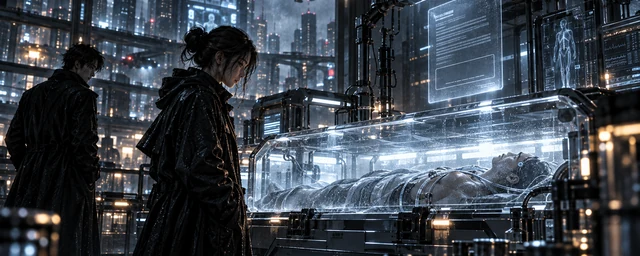
A missing human signatory forces a court to preserve Elias for seventy-two hours.
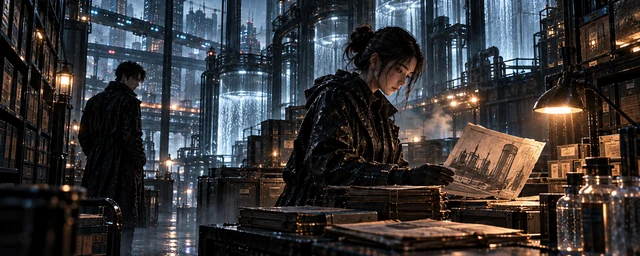
失われた名前の管理者
Thirty-one renewals of an unnamed authority lead investigators to the archive held by Rachael’s company.
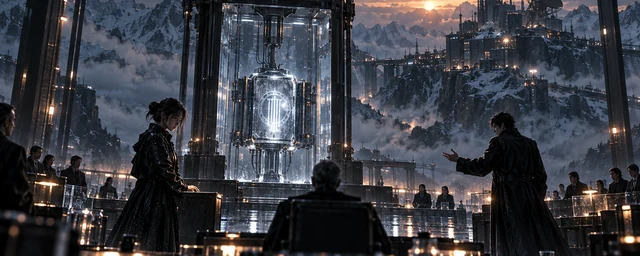
A court examination discovers that preserving an operating witness cannot establish the original’s continuity.
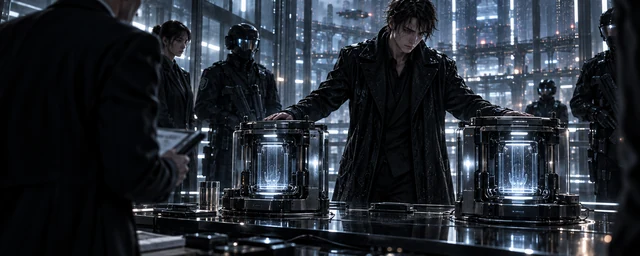
認証装置を所有する男
Adrian refuses to surrender two proprietary readers to a government unable to name its responsible official.
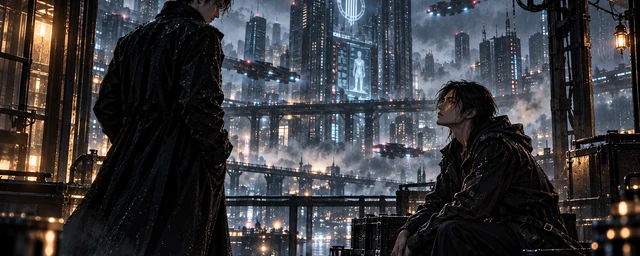
二つの問い
Roy meets Adrian and confronts two questions: what can be authenticated, and who decides that he may live.
BOOK 05 / 10 CHAPTERS
A government unit hunts Roy as he confronts consent, memory, and the right to exist.
10 Japanese + 10 English chapters
BOOK OVERVIEW
Eleven years after Roy Batty's recorded death, NEXUSYS-11 carries his face and fragments of his memories. A covert government unit, MBU-09, is ordered to retrieve him alive. Yet every battle consumes a part of his irreplaceable life-support capacity, forcing Roy to survive with a replacement system that limits his maximum output to seventy percent.
Beyond the hunt lie Rachel's vast subterranean water network, a surviving Tyrell-era authentication device, and records from the eleven missing years. As Roy follows the evidence, he discovers traces of an earlier continuity instance bearing his face—and a mysterious child, Chronos, whose presence unsettles the boundaries of time and space. Even his pursuers begin to question the orders they were made to obey.
If memories endure, does that prove the same person has survived? And if continuity cannot be established, who has the right to decide whether a living being may remain? The hunt becomes a struggle over consent, identity, and the freedom to choose one's own future.

第五の命令
MBU-09 hunts Roy. A four-second encounter permanently strains his NIL-11 system.
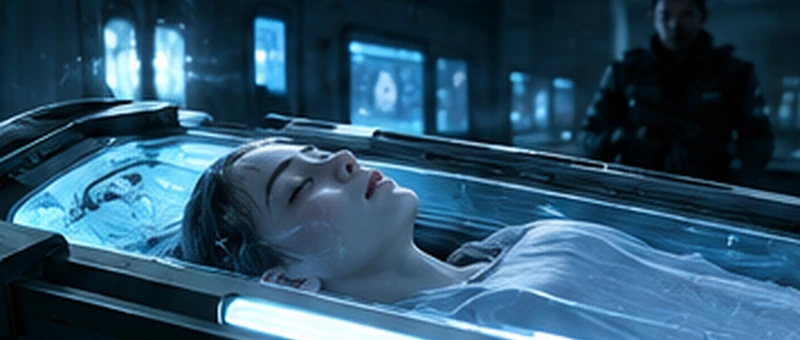
Roy evades sniper, stealth, and neural attacks, then consents to an NIL-11R replacement.

生命の七十パーセント
Operating at 70% maximum output, Roy finds traces of an eleven-year observation program.

破られた命令の登録簿
Agents challenge their orders as a long-suppressed question of consent resurfaces.

Roy uses old waterworks to defend civilians and retrieves the First Witness media.
最初の証人
After Goliath’s rematch, a Tyrell reader reveals footage of another Roy.

第二の証人
Chronos testifies that a prior continuity instance explicitly refused the procedure.
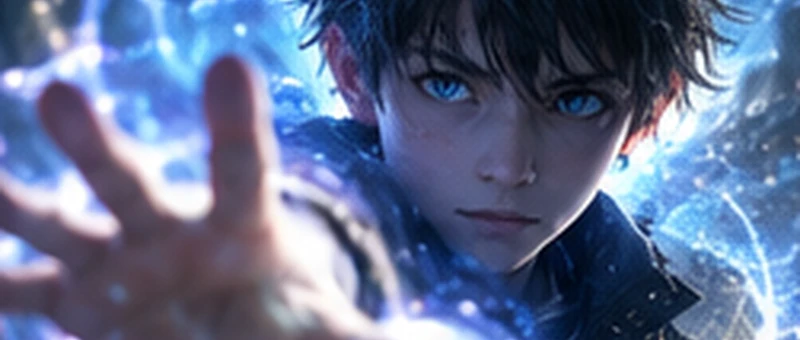
世界を歪ませる子供
Roy studies Chronos’s unstable spatial field and chooses to save the child.
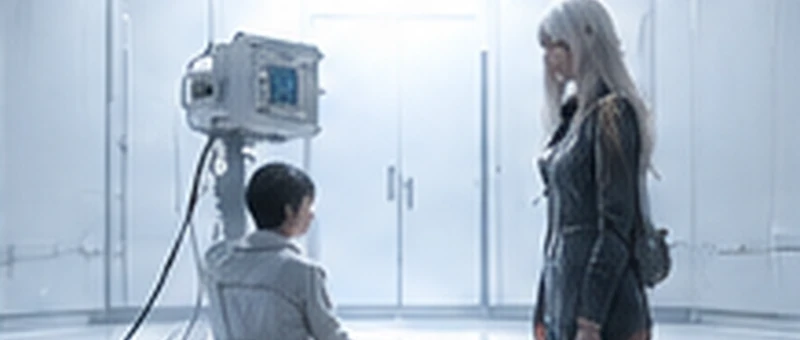
白い部屋
R-07 emerges as a separate Rachel-series witness in the sealed White Room.

存在し続ける権利
Roy claims the right to live now, without certainty about his subjective continuity.
BOOK 06 / 10 CHAPTERS
Erased identities, the distribution of water, and a right to remain.
10 Japanese chapters / 10 English chapters (drafts)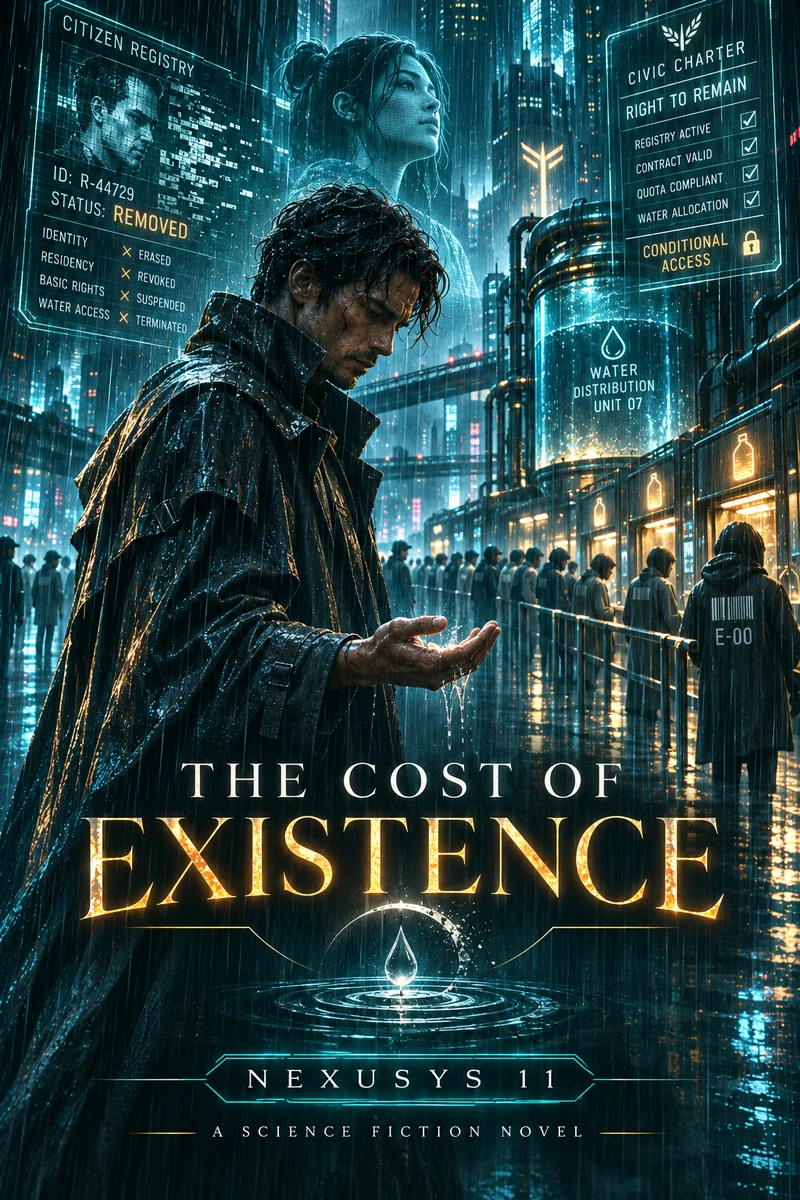
BOOK OVERVIEW / 作品概要
When a person is removed from the registry, ordinary rights can vanish with a line of data. Even former minister Havel faces the consequences of identity erasure—and the dismantlement order he once authorized. Roy and Rachel confront a system that conditions basic water access on credentials and contracts.
The water shortage is real, but scarcity does not grant anyone the right to erase another person. The five former hunters, the consent records of the dead, and the refusal preserved as E-00 all become part of an inquiry into alternatives to EDEN’s absolute control.
The provisional charter and independent review do not settle Roy’s origins. They reject the premise that uncertainty makes a present individual disposable. A message dated before the first recognized archive opens the next mystery without proving its claim.
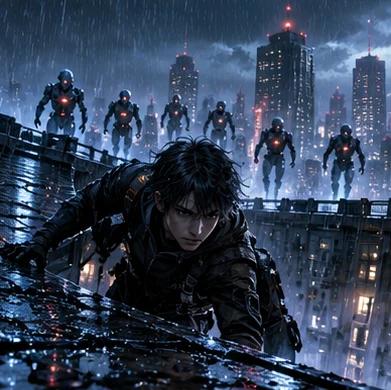
五人を送った男
政府の命令の出所を追い、ロイは自分を追う五人の背後にいる人物へ向かう。
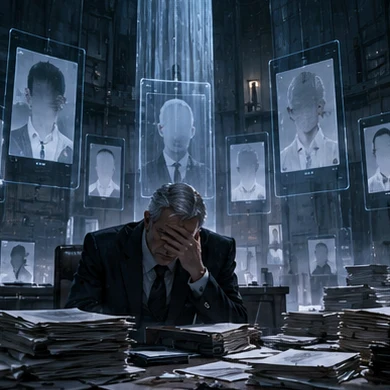
存在しない責任者
登録から抹消された元大臣と、記録から消えた人々を追って、水処理施設へ向かう。

限られた水と資源を誰に配分するのか。ロイは冷酷な計算と人の命の間に立つ。
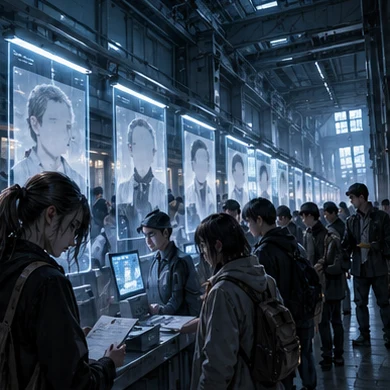
消された市民
行政記録から消された人々は、存在を証明できないまま日常の権利を失っていく。
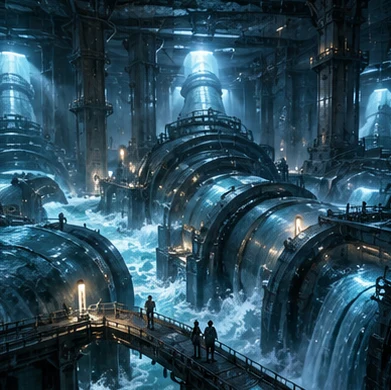
水の供給網をめぐる判断が都市を揺るがし、ロイとレイチェルが対立の中心に立つ。
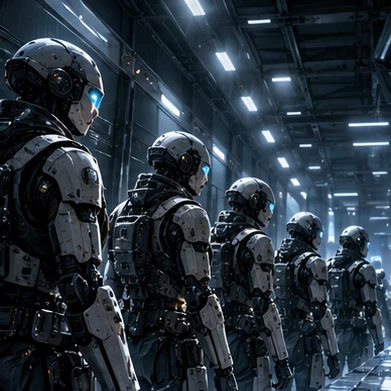
命令を持たない兵士たち
かつての追跡者たちは命令から離れ、それぞれの選択と責任に向き合う。
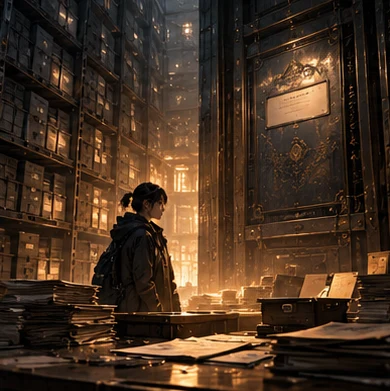
記録された死者
保存された記憶と証言の価値が問われ、死者の記録が新たな問題を呼ぶ。
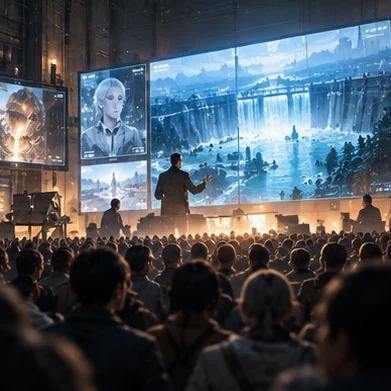
誰が犠牲を選ぶ権限を持つのか。合理性の名で失われるものを検証する。
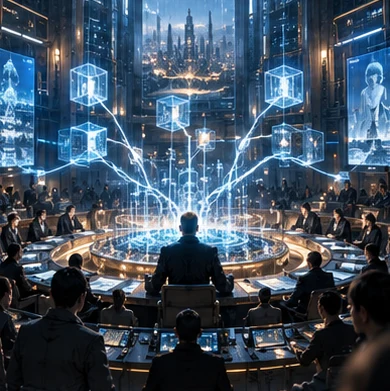
誰が世界を所有するのか
EDENに代わる統治の条件をめぐり、証言と責任と選択が交錯する。

暫定憲章が動き始め、ロイの法的地位と謎の通信が次の物語への扉を開く。
BOOK 07 / 10 CHAPTERS
The inquiry into Chronos examines memory, identity, and the right to choose.
10 chapters in Japanese and English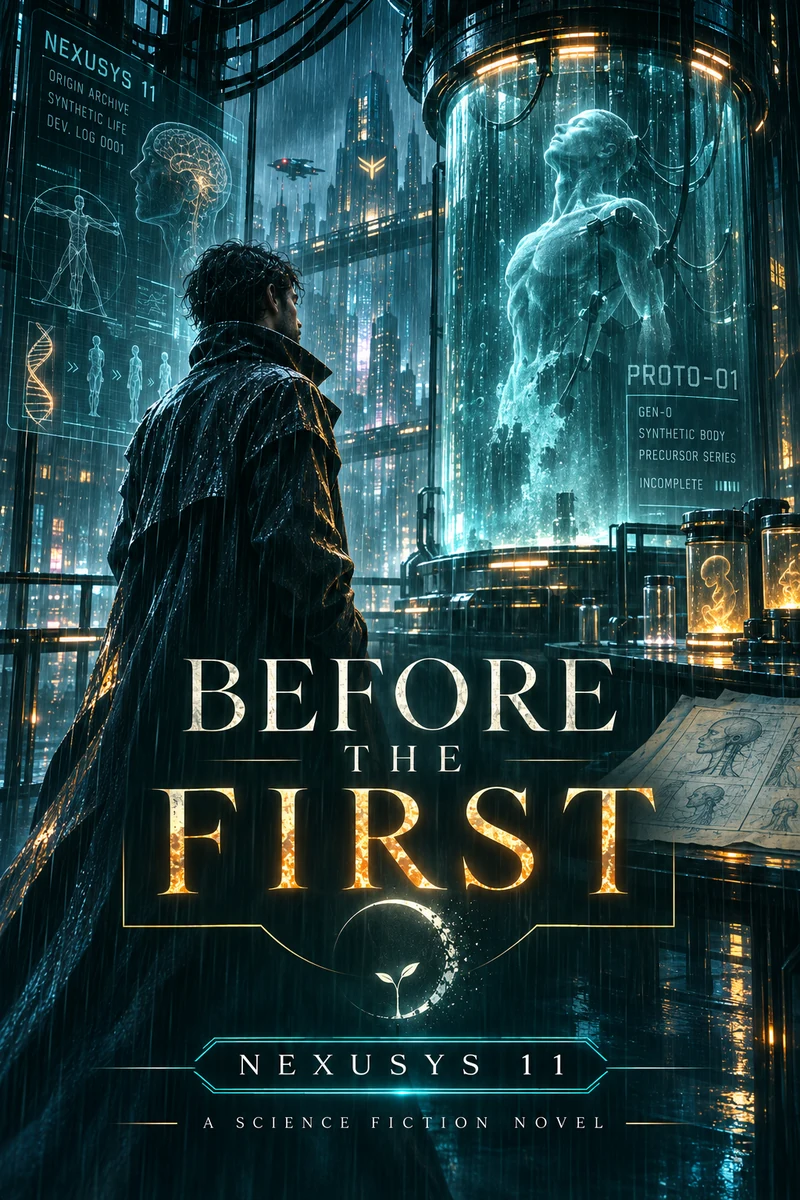
BOOK OVERVIEW / 作品概要
The military record declares Chronos terminated, yet the boy is alive. Roy and Rachael follow Daniel Reed’s path through Tyrell, Helix, and MBU-09, exposing how life-saving treatment was used to claim control over a person.
Borrowed memories and a missing twelve minutes cannot establish uninterrupted personal continuity. At an abandoned observatory, independent instruments record an anomaly without identifying its source. The question is not only who returned, but who has the right to decide what happens next.
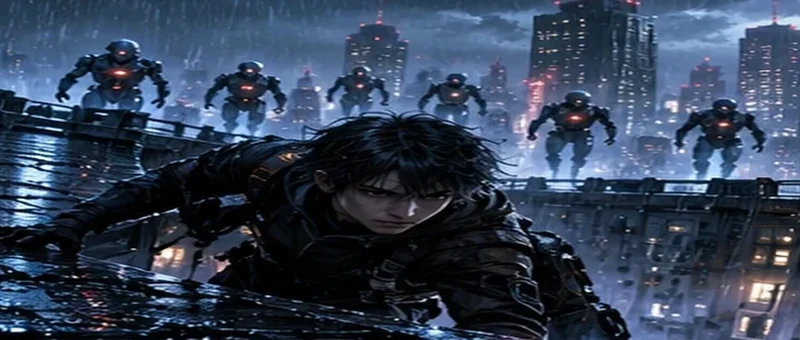
第五の署名
Roy examines the military disposal audit: Chronos was ordered shut down, yet an unexplained acknowledgment arrived thirteen seconds later.
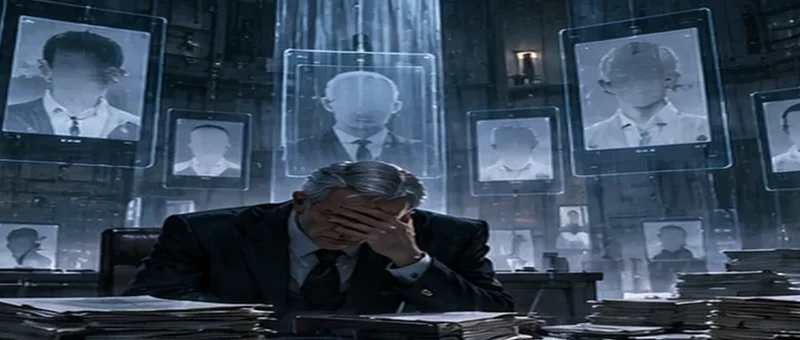
ダニエル・リード
Beneath the former Tyrell laboratory, Roy and Rachael uncover Daniel Reed’s work and clues to the boy’s uncertain memories.
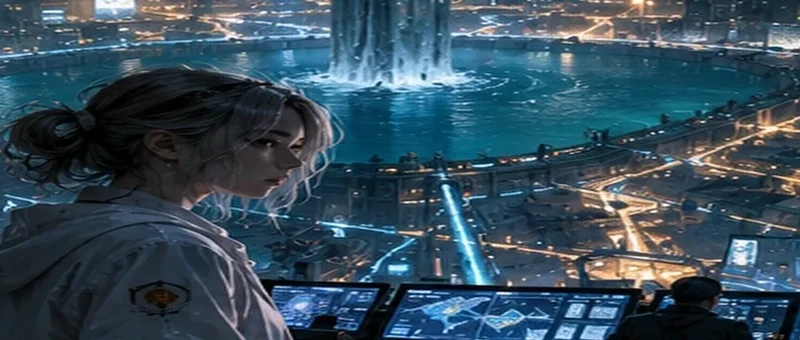
交通事故
Roy traces the accident that nearly killed Daniel, and how lifesaving treatment became a means of controlling the patient.
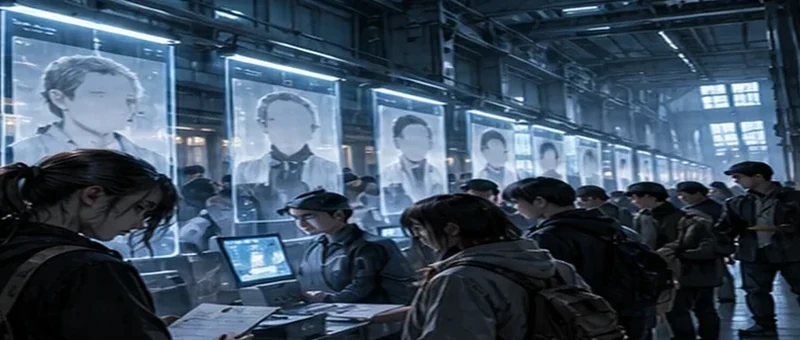
半分人間
Daniel’s body was rebuilt using replicant-derived tissue. Roy challenges the idea that a person or their consent can be measured in percentages.
異なる道
Daniel’s move from Tyrell to Helix leads Roy to contracts that turned medical dependence into the loss of freedom to leave.
クロノス
New records reveal why the military assigned Daniel a boy-shaped body, the codename Chronos, and a role in unit MBU-09.
レイチェル
Rachael recalls Daniel as a friend while refusing to claim the boy is the same person. Twelve missing minutes become a new lead.
キルスイッチ
The kill switch really fired. Roy investigates the distinction between a disabled military command system and surviving living tissue.
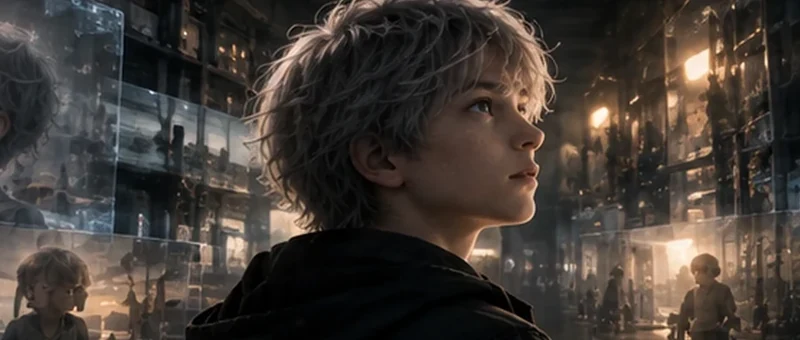
他者の記憶
Another person’s childhood memories appear within Chronos. The inquiry follows consent, missing records, and a clue to an old observatory.
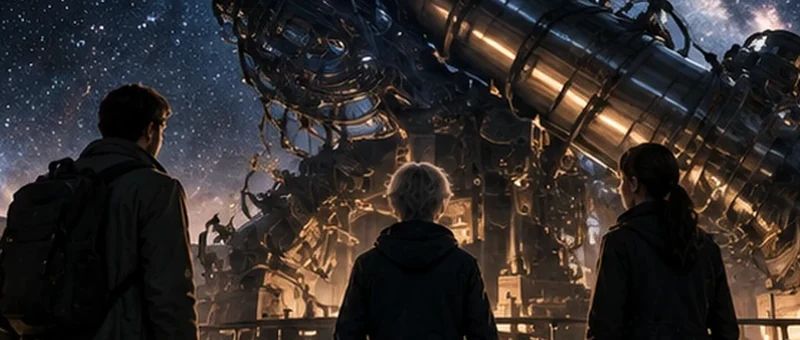
最初の存在より前に
At the abandoned observatory, independent instruments record the same anomaly. Roy protects Chronos’s choice rather than forcing an answer.
BOOK 08 / 10 CHAPTERS
A human martial art, a minister’s secret, and the possibility of a century-long life.
10 chapters in Japanese and English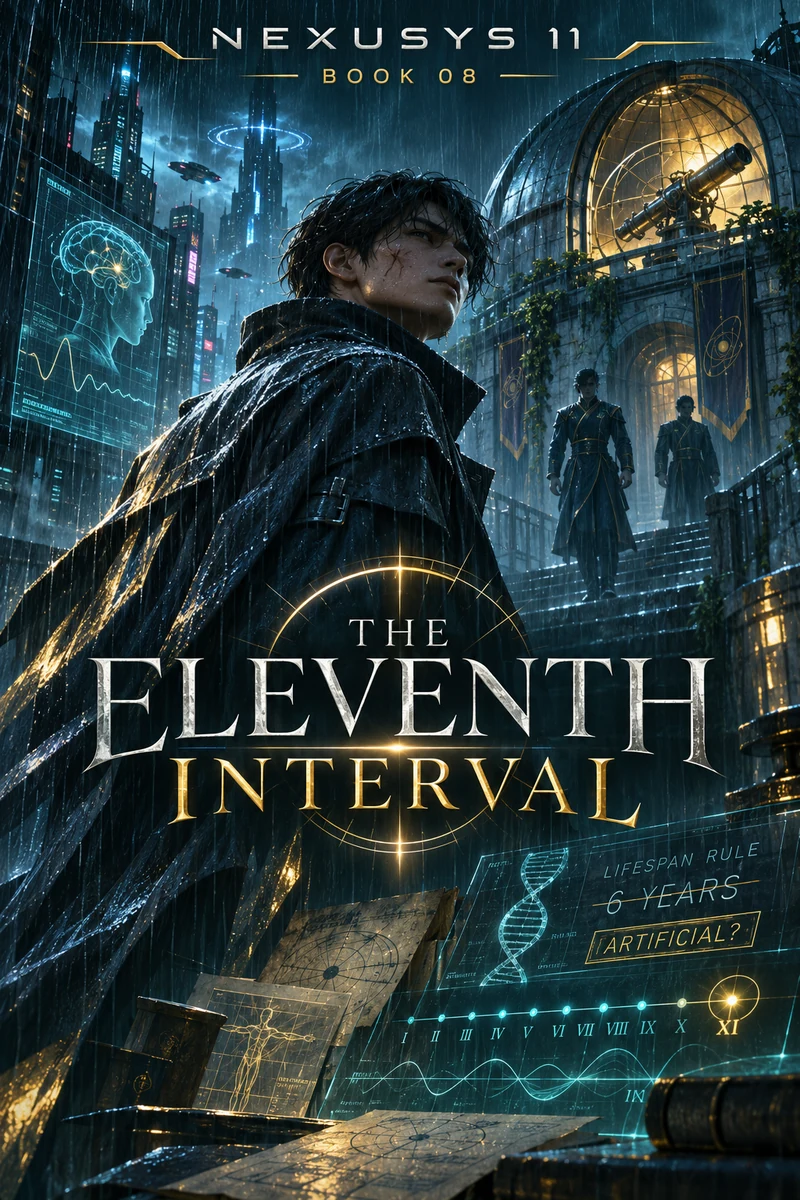
BOOK OVERVIEW
An anomaly recorded at the old observatory leads Roy to suppressed research on the six-year lifespan rule. Seeking former minister Havel, he confronts two human guards, Raijin and Fujin, whose mastery of fa jin makes Roy’s electromagnetic countermeasures useless.
The final confrontation brings Havel’s Okinawan karate, traditional martial arts, and swordsmanship to bear. His last confession exposes the political fear behind the limit. Research into neuronal timing and helium-3 power suggests that replicants might one day live a century, but that possibility is not yet proven.

六年という脚注
A six-year lifespan file reveals a connection to the observatory measurements.
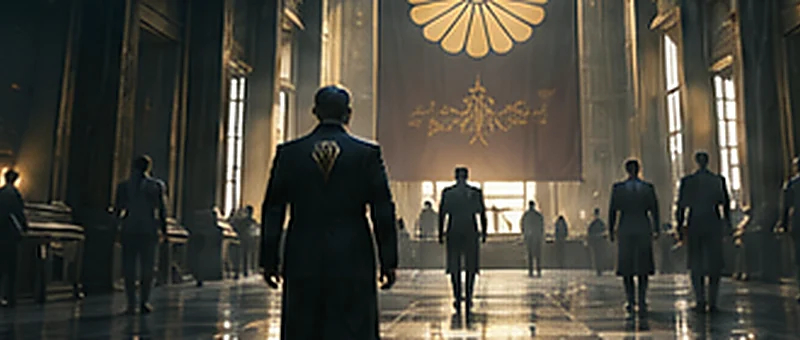
人間の護衛
Roy seeks Havel and encounters the human guards trained in focused force.
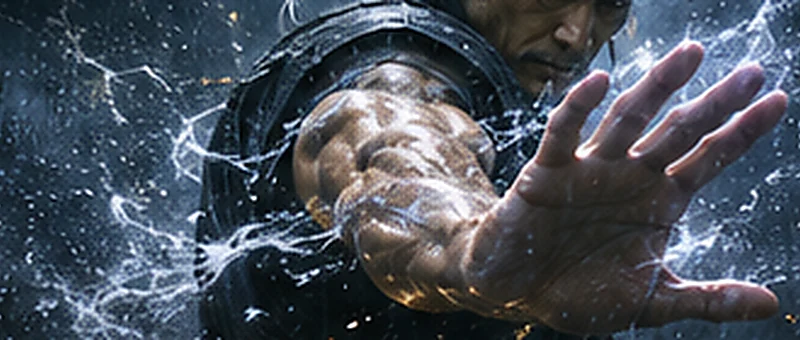
雷神
Raijin withstands local EMP countermeasures and strikes beyond Roy’s expectations.
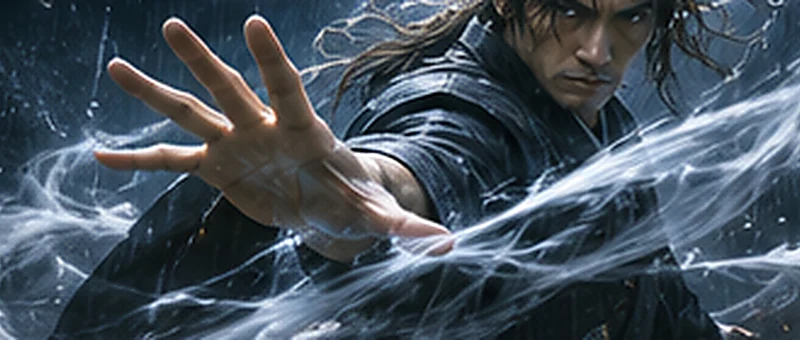
風神
Fujin turns timing, balance, and body mechanics into a dangerous advantage.
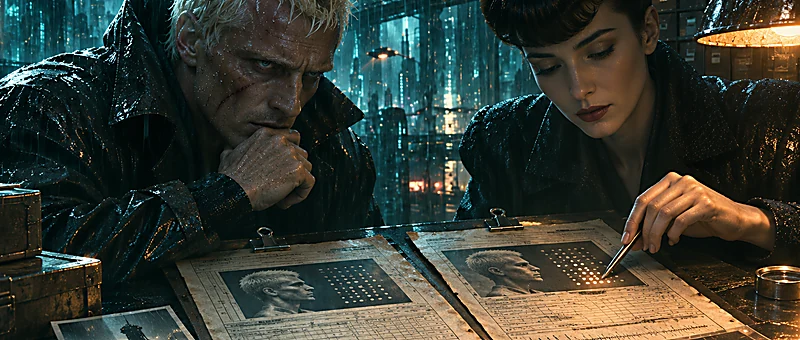
内なる力
Human neurons and fa jin point toward a line of suppressed research.
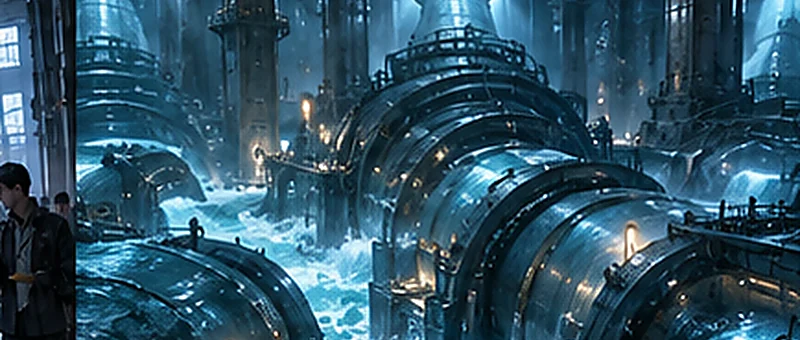
禁じられた炉
Archived helium-3 microreactor research hints at longer synthetic survival.
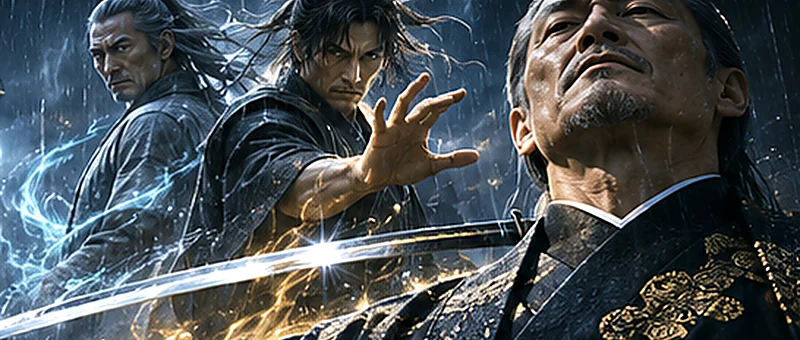
Havel confronts Roy with swordsmanship, Okinawan karate, and old martial arts.
刃の向こう側
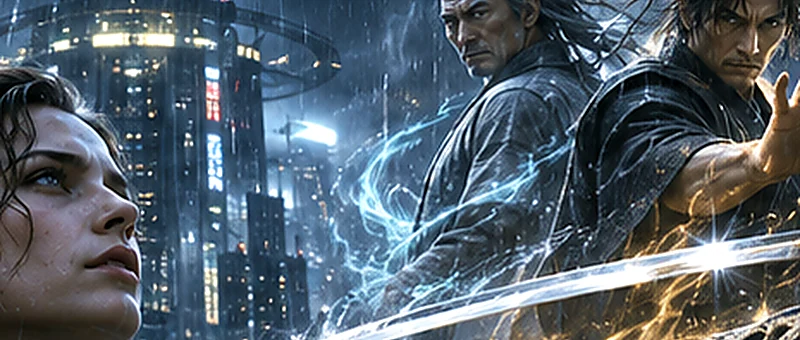
Roy must understand the force that seems to reach beyond the blade.
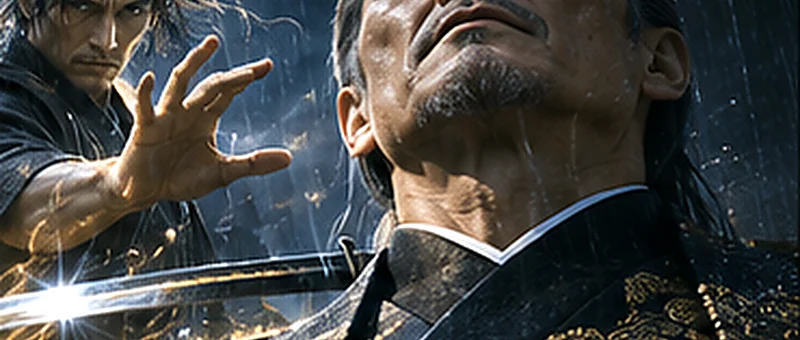
人間が下した最後の命令
As he dies, Havel reveals why the state imposed a six-year limit.
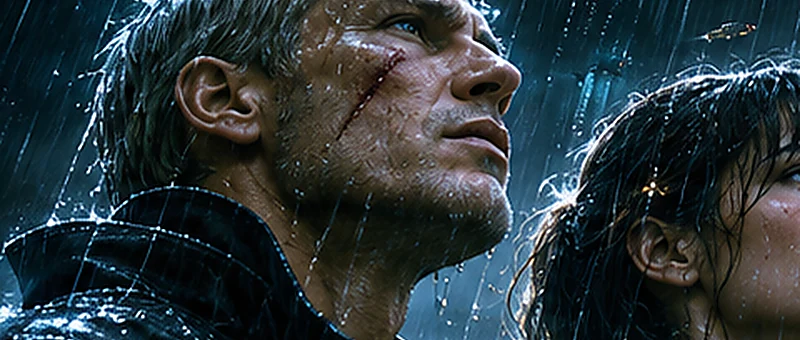
百年の未来
The possibility of a century-long life becomes a scientific and moral challenge.
BOOK 09 / 10 CHAPTERS
A minister’s death, a secret military program, and the cost of staying alive.
10 chapters in English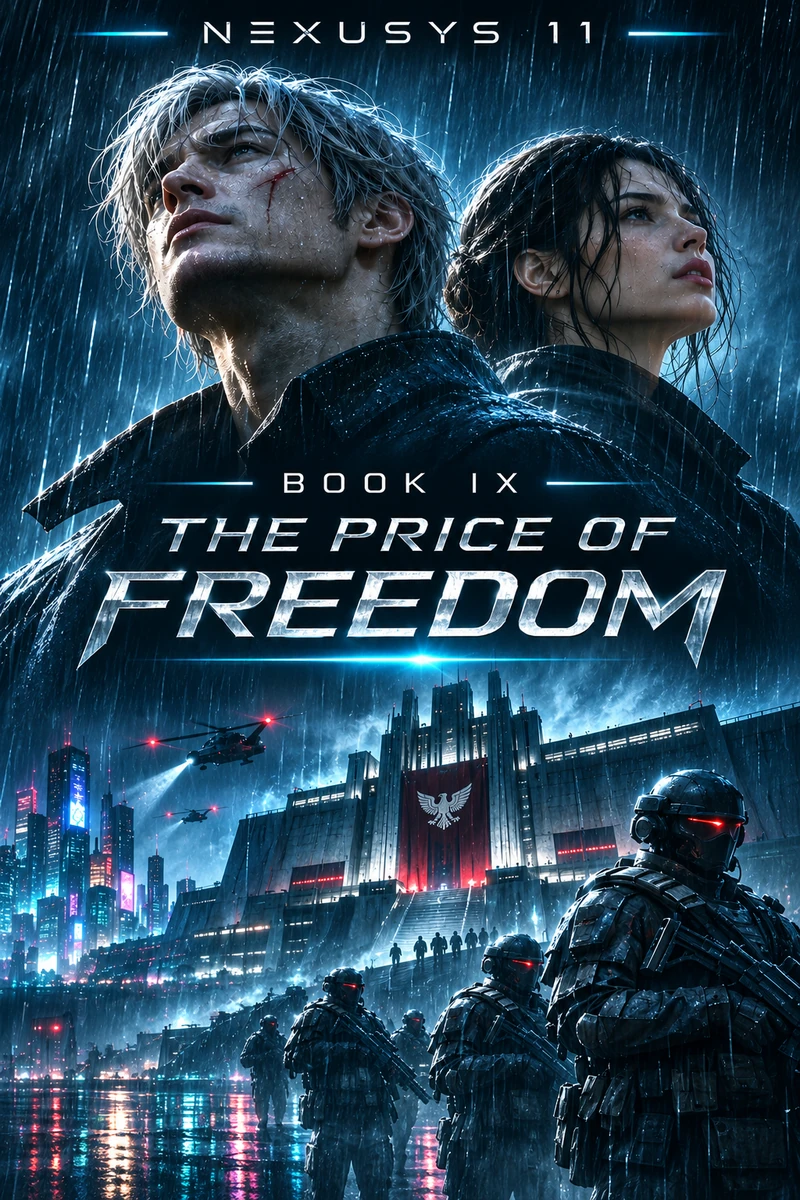
BOOK OVERVIEW
In the aftermath of Havel’s death, a new military authority turns its attention to Roy and the research that could one day extend synthetic life. Rachel works to preserve the possibility of a century-long lifespan, but the technology remains far from a proven treatment.
As the government deploys military replicants and human special forces, Roy faces opponents whose capabilities exceed his own. With his damaged body still subject to a seventy-percent output limit, he must confront the difference between winning a fight and surviving it. The pursuit threatens to separate him from Rachel and force both of them beyond the protection of the systems they once challenged.
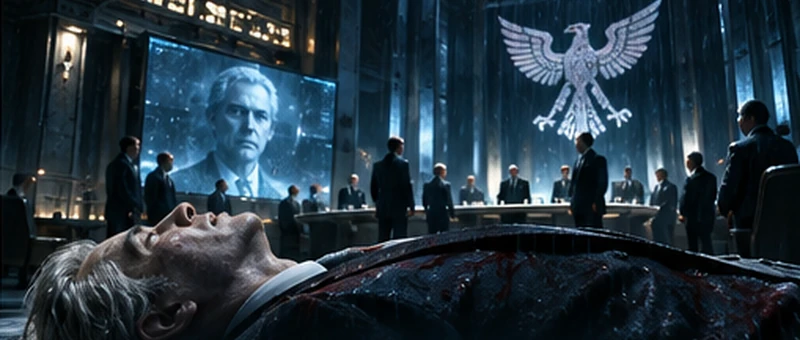
Havel’s death brings a new military authority into Roy’s life.

A century-long lifespan remains an unproven possibility as researchers uncover a troubling connection.
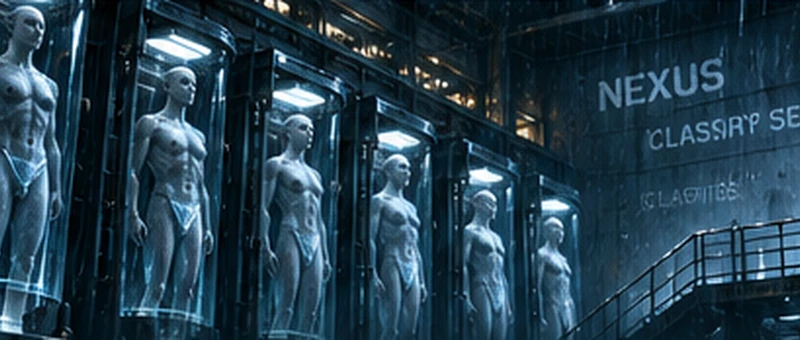
A concealed military program reveals replicants built to a different standard.
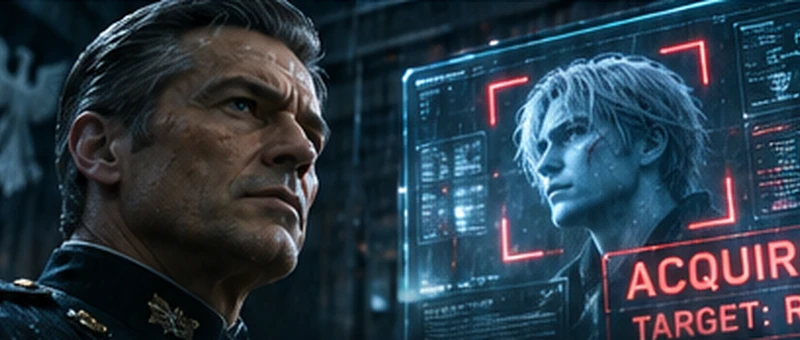
An official acquisition order turns Roy’s refusal into a military operation.
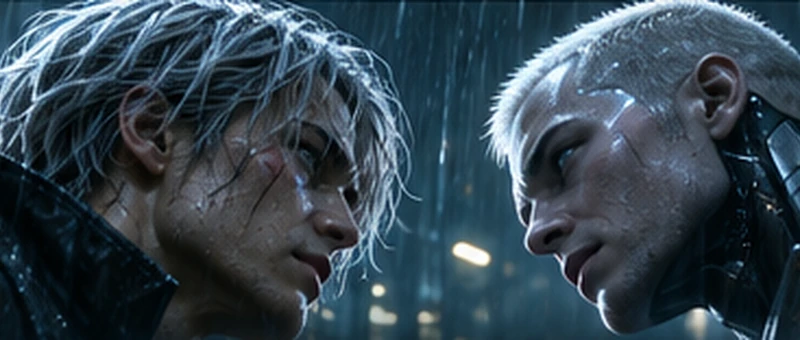
Roy encounters M-04 and learns the extent of the physical difference.
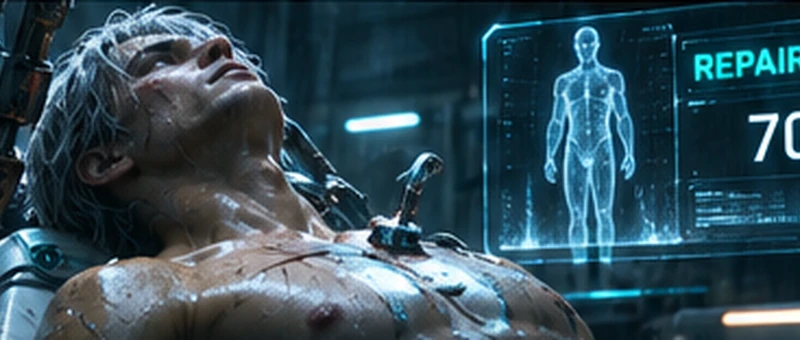
A seventy-percent output limit forces Roy to reconsider what recovery means.
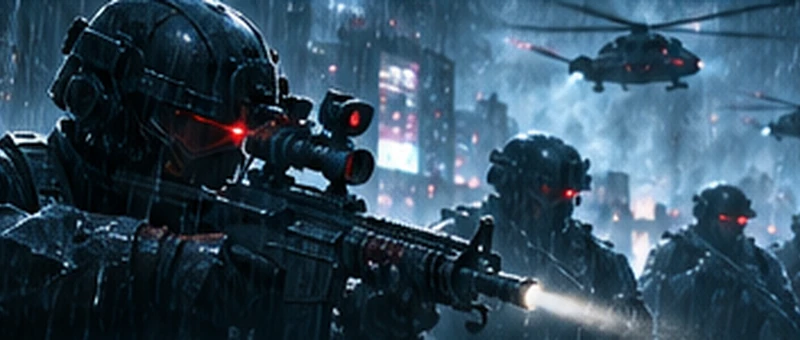
Human special forces and military replicants take control of the hospital.
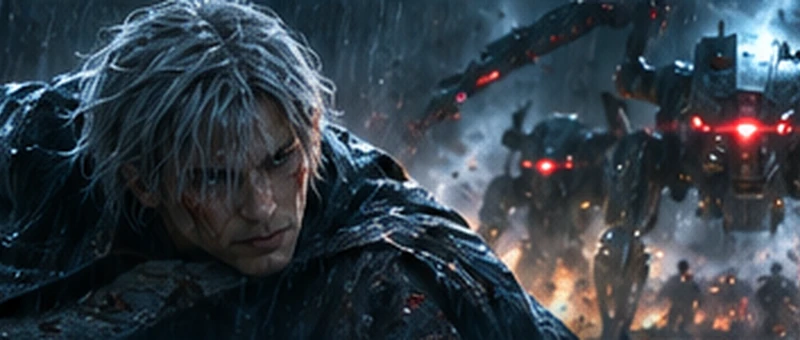
Roy confronts overwhelming force and must choose survival over victory.
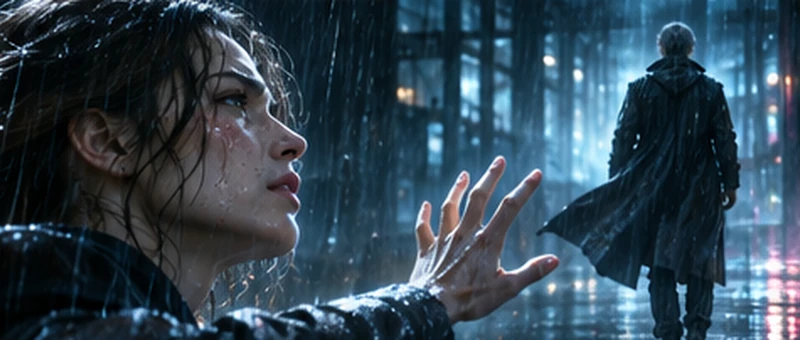
The widening pursuit forces Roy and Rachel to separate.
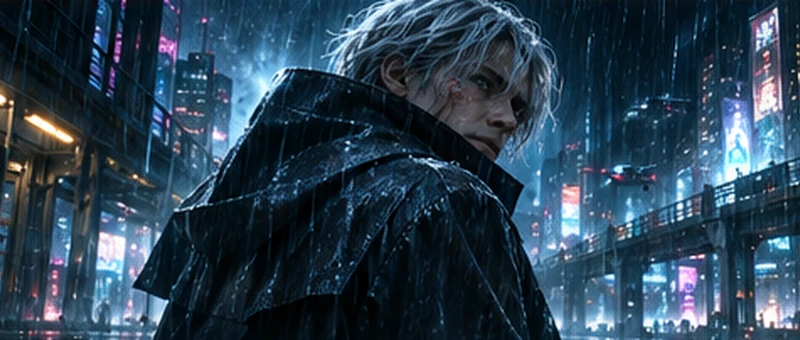
Alone and wounded, Roy disappears from the military’s confirmed field of view.
BOOK 10 / 10 CHAPTERS
A city under surveillance, a classified army, and the right to a life of one's own.
10 chapters in English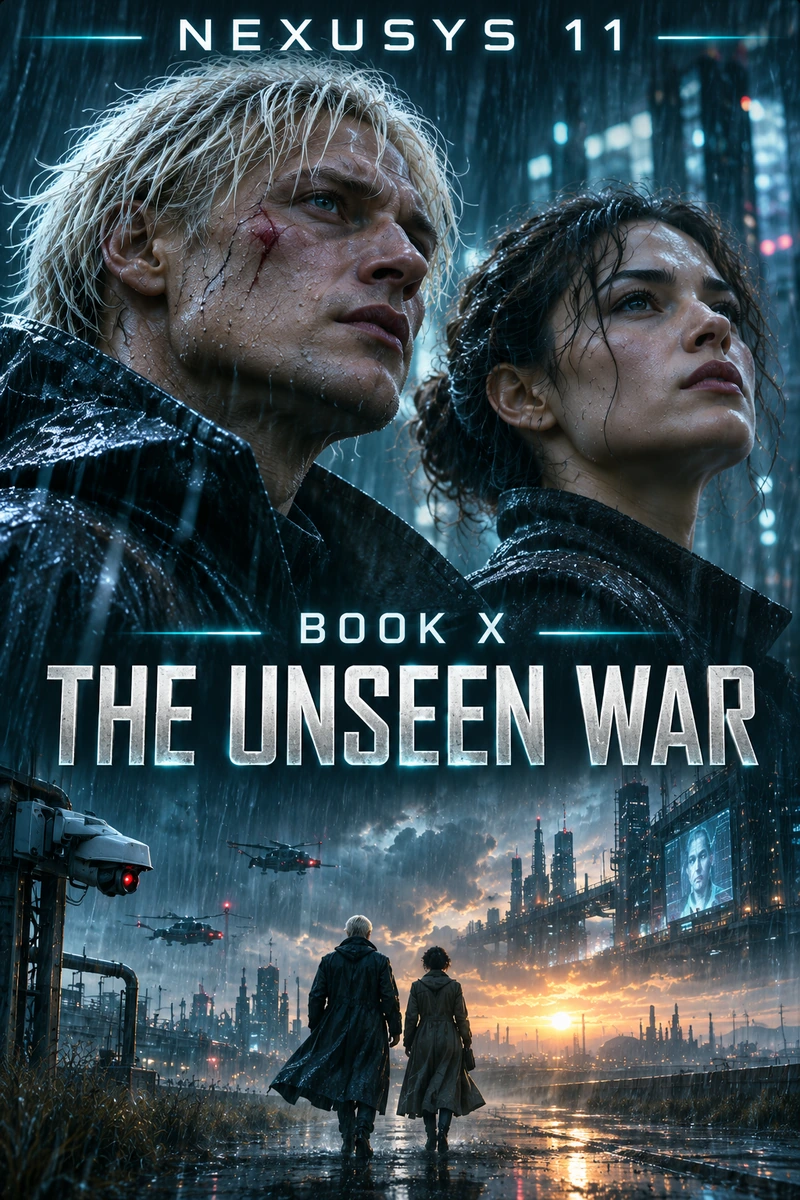
BOOK OVERVIEW
After disappearing from the military's confirmed field of view, Roy must survive in a city whose ordinary institutions increasingly serve the search for him. Rachel works to preserve the records of the Century Project, while new military replicants confront the difference between their orders and their own choices.
As the search reaches hospitals, communications and the streets of Okakyou, fragments of the research begin to expose a distinction between the biological duration of a synthetic life and the time the state permits it to live. Roy and Rachel must find a way forward without surrendering their freedom. Their story does not end here.
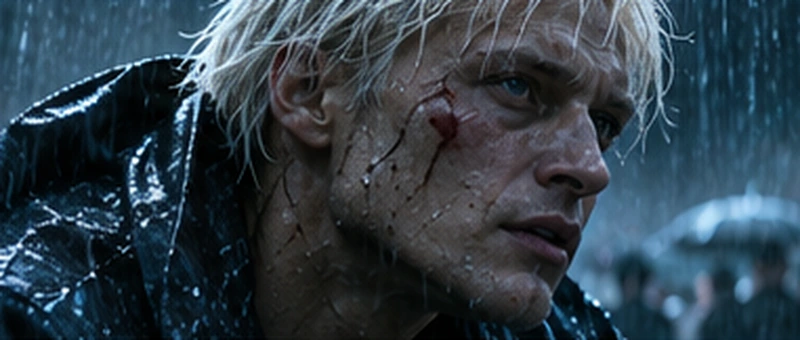
Injured and unregistered, Roy attempts to disappear into the daily life of Okakyou.
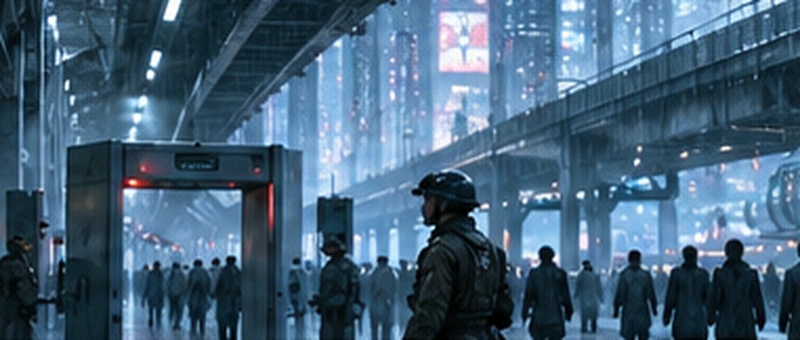
The military's search spreads into transportation, utilities and ordinary civilian life.
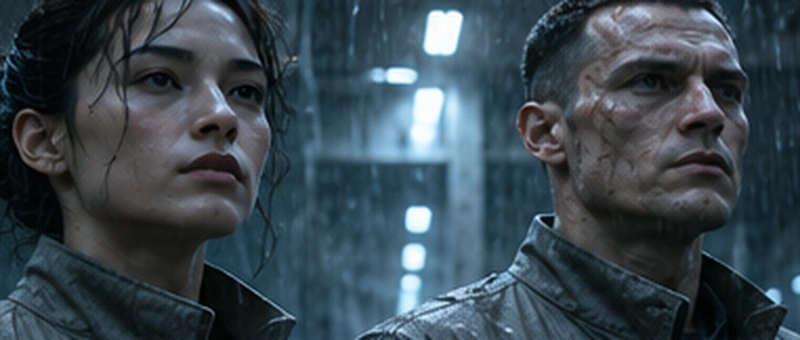
New classified personnel enter the hunt, but their orders do not answer every question.
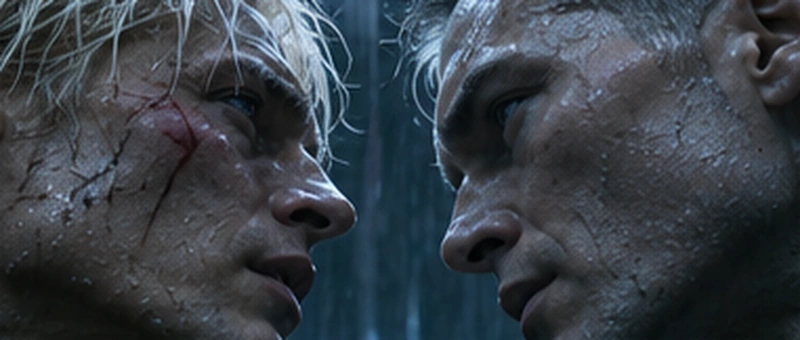
Roy measures the cost of strength when his damaged body is forced beyond its limits.
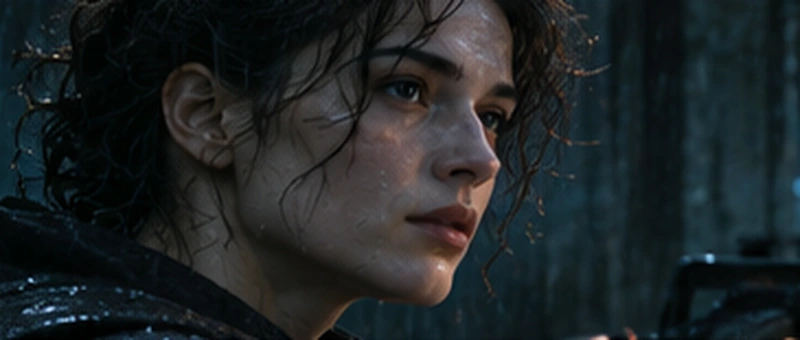
Rachel seeks a way to reach Roy while the Century Project's records grow harder to protect.
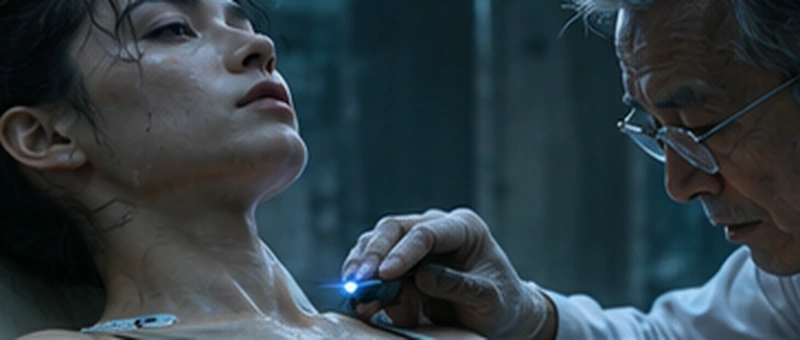
A legal exception exposes the uncertain status of military replicants and their right to medical care.
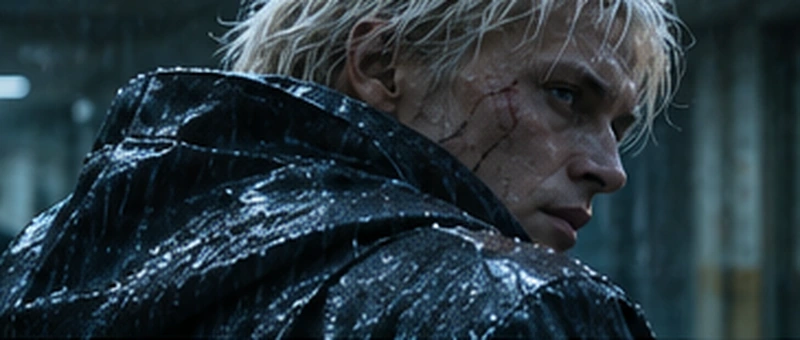
As the search reaches civilian clinics, the boundaries of personal refuge begin to disappear.
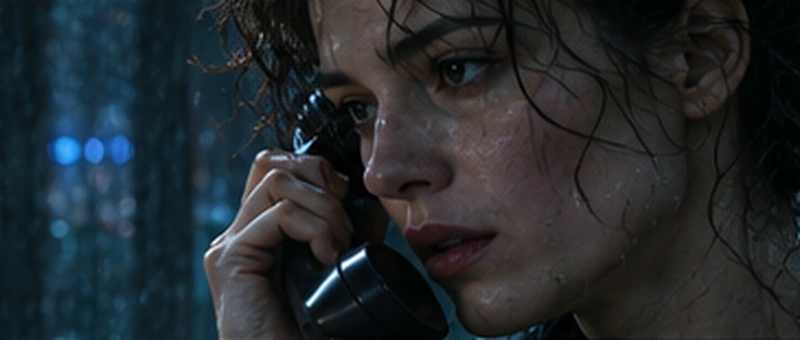
A long-awaited conversation reveals how fragile even a voice across a wire can be.
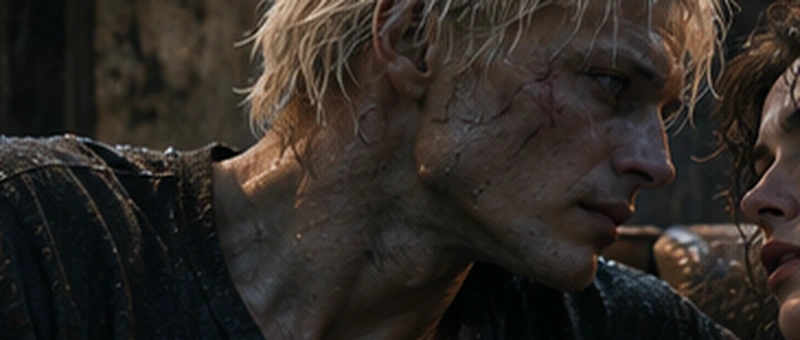
Roy and Rachel seek a life beyond official recognition, while new evidence tests the system's claims.
A temporary refuge opens a new road; the questions of lifespan, freedom and identity remain.